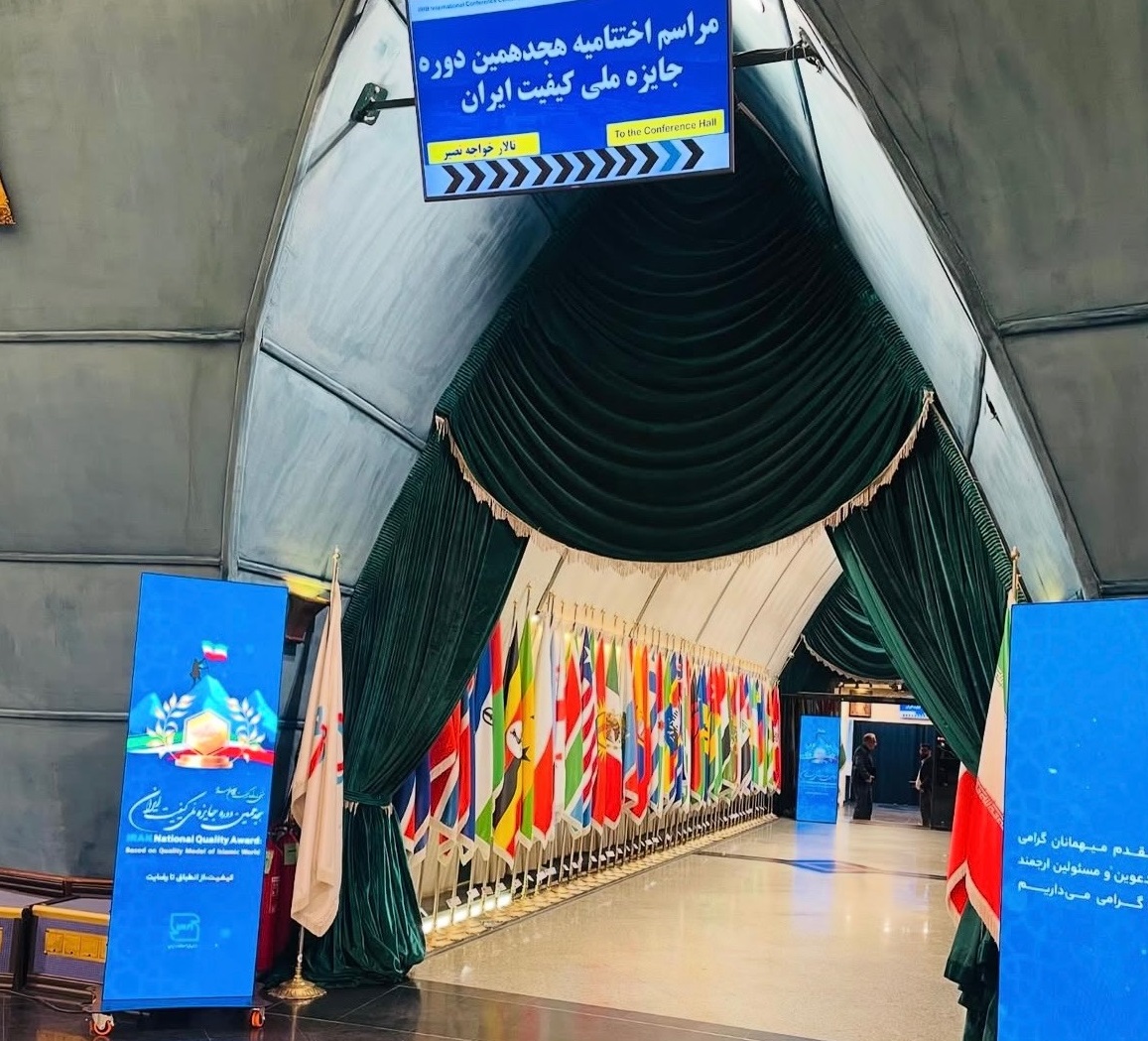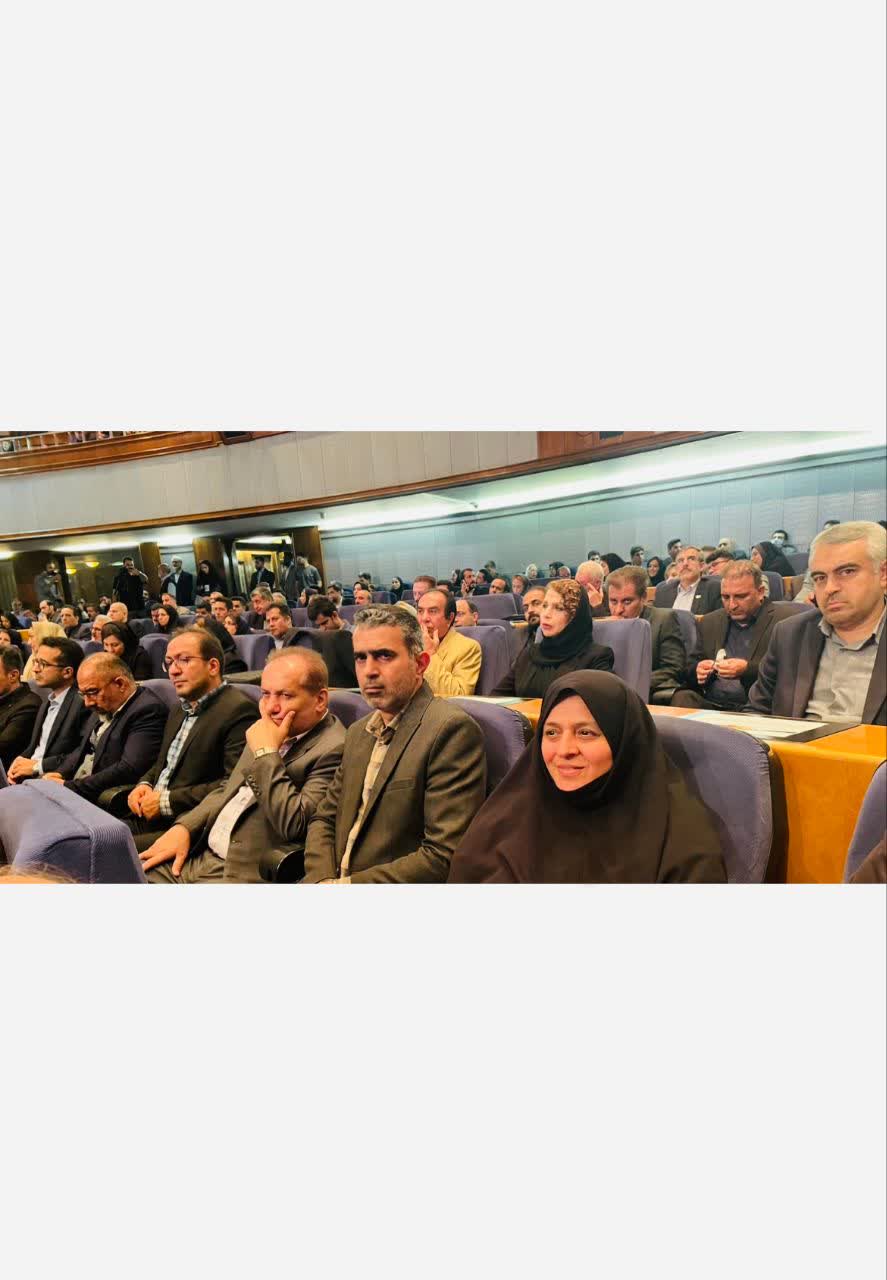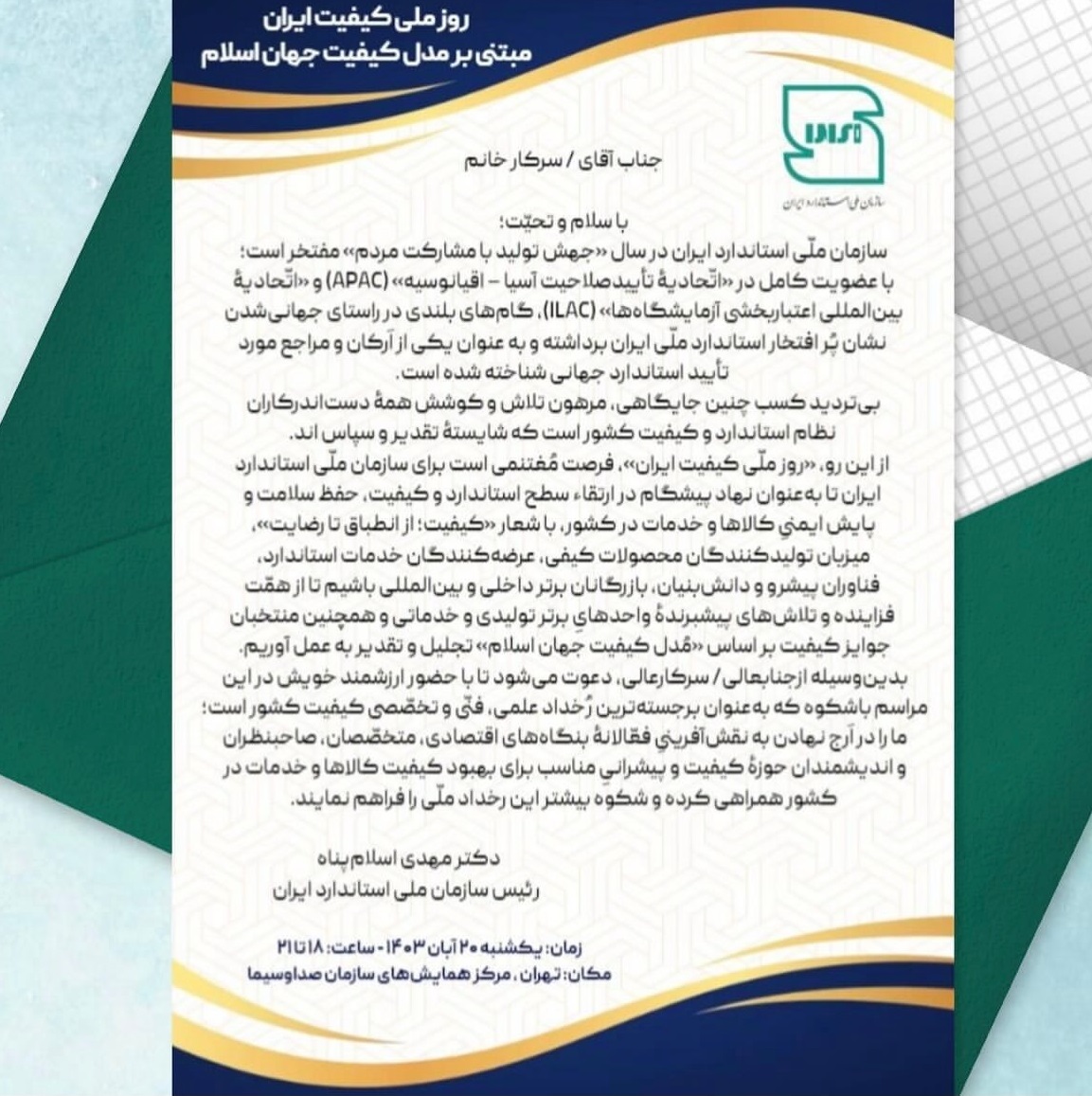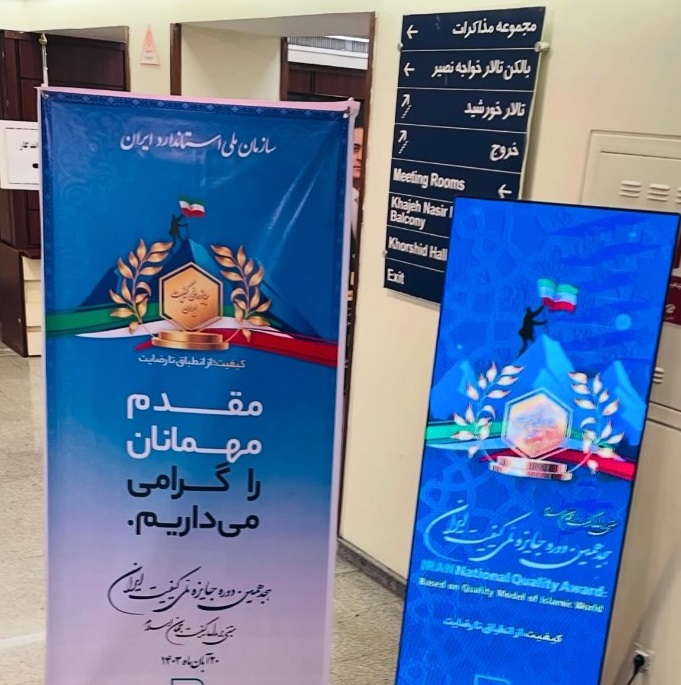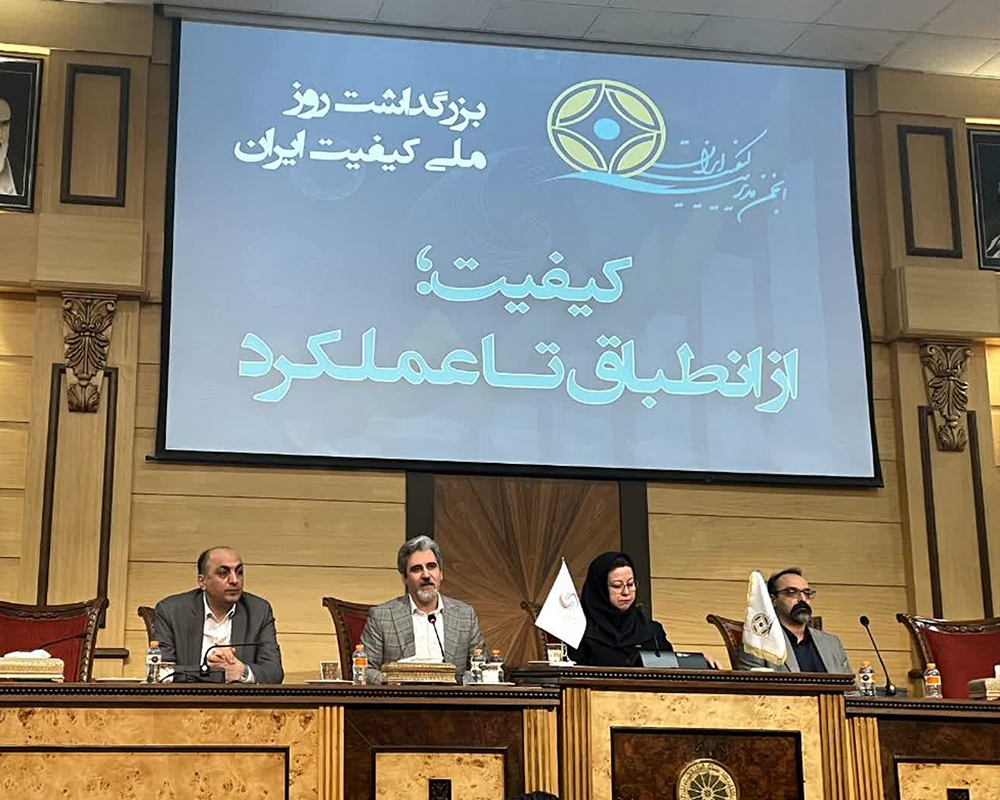
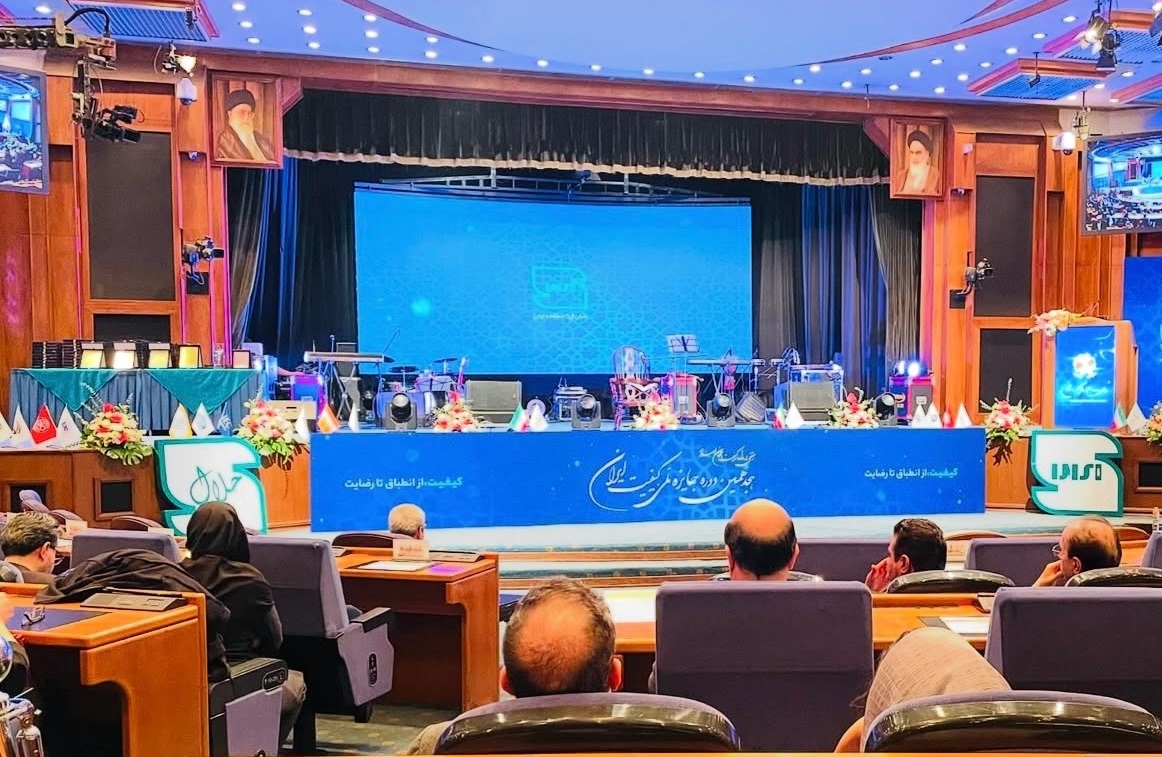

On the evening of Sunday, November 10, 2024, the closing ceremony of the 18th edition of the Iran National Quality Award was held at the IRIB International Conference Hall. The event was attended by members of the Islamic Consultative Assembly (Parliament), presidents of Chambers of Commerce, Industry, Mines, and Agriculture, manufacturers, industrialists, entrepreneurs, inspection companies, auditors, lead auditors, and various economic stakeholders.
Dr. Eslam Panah, Head of the Institute of Standards and Industrial Research of Iran (ISIRI), stated during the ceremony that the National Quality Award—based on the “Islamic World Quality Model”—is a continuation of the scientific charter aimed at strengthening and developing the national standardization system, a framework established and implemented since last year.
The Head of ISIRI further emphasized: “This award is not based on translated models; rather, it is a fully indigenous model tailored to the specific requirements of our country and the geographical context of the Islamic world. It has been officially endorsed by the Standardization and Metrology Institute of Islamic Countries (SMIIC).” He added that SMIIC comprises 57 member countries, with the Iranian National Standards Organization serving as a member of its Board of Directors.
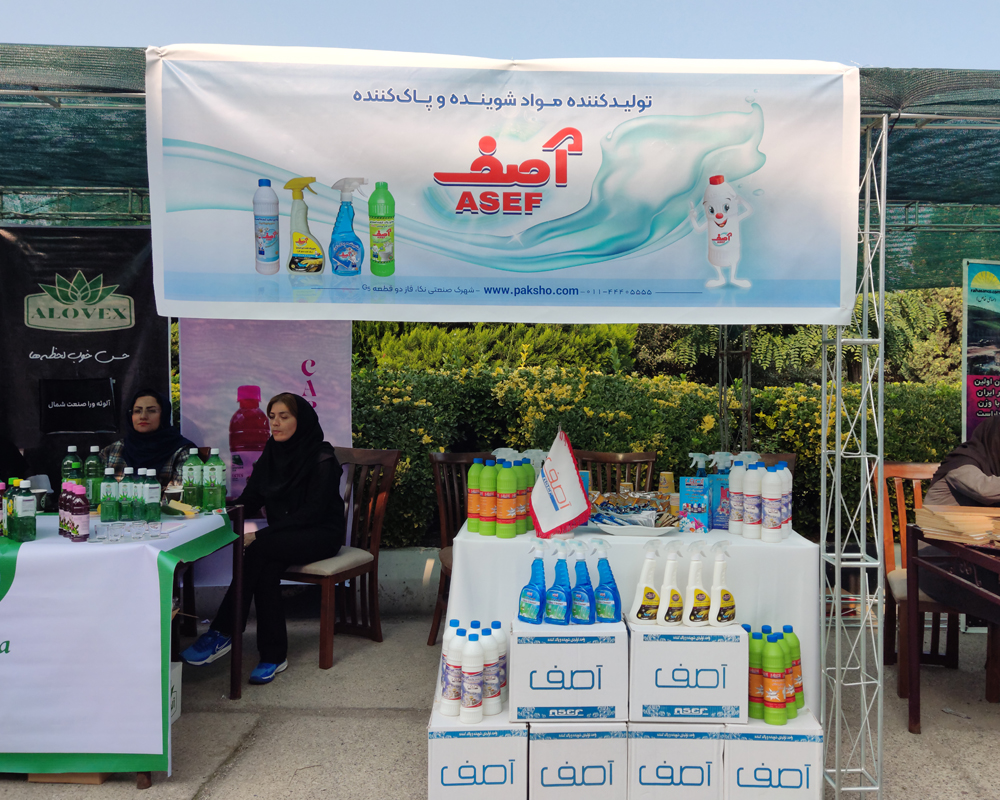
Eng. Fatemeh Aryanfar, Quality Control Manager at Asef manufacturing unit, also had the honor of participating in this national event in the capacity of an “Official Auditor for the National Quality Award.” Her participation underscores her specialized technical competence and professional standing in the fields of quality assessment and assurance.
According to this year’s statistics, 1,007 companies initially qualified for the National Quality Award. Following a rigorous, multi-stage scientific screening process—consistent with auditing protocols conducted by auditors, lead auditors, and observers—193 companies were successfully selected and introduced.
Notably, the top participants in this edition included major national industries across diverse sectors, such as food, inspection, knowledge-based enterprises, dairy, water and electricity, confectionery and chocolate, tiles and ceramics, petrochemicals, cement, chemicals, energy, construction, polymers, electronics, as well as various metal and non-metal industries, and semi-governmental companies affiliated with executive bodies and ministries.